Are Soft Skills More Important than Technical Skills in Engineering?
-
April 19, 2023
-
0 Comments
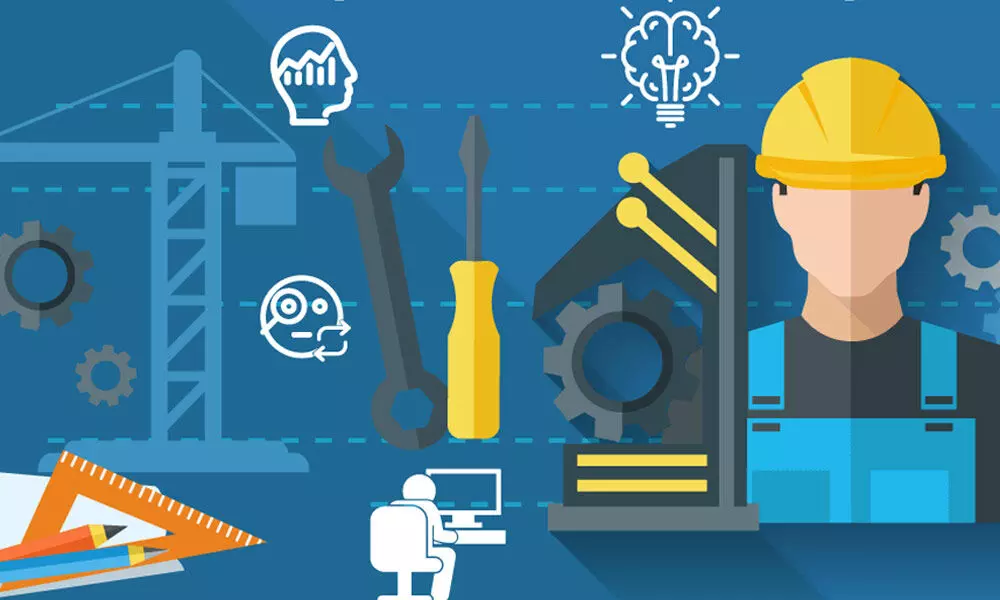
Engineering involves using technical principles to develop, design, and create machines that can solve different problems. The success of the engineering role largely depends on both the technical and soft skills possessed by every engineering professional. Therefore, there is no way to conclude that one skill is more important than the other.
Why are soft skills important?
Soft skills are personal and they influence the way a person interacts and responds to situations and people at work or other social settings. These skills include the ability to work with a team, pay attention to details, communicate effectively, and be able to manage time. It is quite rare to see an engineer work alone; most of the time, there are a bunch of them working together, sharing ideas, and implementing solutions. While a task is being carried out, these professionals communicate and collaborate to ensure the success of every project. Collaboration also fosters good management skills that can help to further inspire and motivate the team members. While Engineers may have a truckload of technical skills to offload into a project, strong soft skills help to better equip and complement their craft.
Soft Skills Needed for the Engineering Role
Communication skills
Collaboration
Leadership and Management skills
Resilience
Emotional Intelligence
Conflict Resolution
Creativity
Adaptability
Problem-solving
Time management
Networking
Empathy
Brainstorming
Organizational skills
Active listening
Research
Read Also >>> Hard Skills vs Soft Skills
Why Technical Skills for Engineering?
Technical skills are also known as Hard Skills. This is because they are specific, measurable, and tailored to a particular craft, job, or experience. The core of most engineering jobs is the technical part and during job interviews, candidates are assessed and gauged based on their proficiency in these skills. Engineering technical skills are usually diverse because of the various specialties within the field and they include:
Civil Engineering
Petroleum Engineering
Mechanical Engineering
Robotics Engineering
Computer Engineering
Electrical Engineering
Nuclear Engineering
Aerospace Engineering
Software Engineering
Materials Engineering
Industrial Engineering
Environmental Engineering
Read Also >>> Must have skills that will increase your chances of success in a remote job
Based on interest, skills, and education, professionals choose to explore one or more of the engineering specialties listed above. While engineering hard skills may slightly differ as a result of specialties, there are technical skills applicable to engineering roles and they include:
Mechanical skills
Mathematical skills
Technical Drawing skills
Prototyping
Analytical skills
Troubleshooting
Technical Documentation
Computer skills
Infrastructural Design skills
Process Management
Statistics
Hard and soft skills complement each other in the workplace and on a CV/resume. It is like having a mixture of milk and chocolate to make your tea. Both skills present you to your employers and clients as an effective and well-rounded engineer who knows his/her onions. While you exhibit an impressive personal character (Soft skills), it is expected that you can also show your technical experience to satisfaction (Hard skills). None of the skills surpasses the other, both are relevant and necessary to help you get to the top and deliver quality service as an Engineer.
Copywriting Jobs In Nigeria
How to motivate your team during tough times
Recent Post
-
-
 WorkFlowsHR: the best HR software in Nigeria July 25, 2024
 -
-