Fishing Jobs you should consider
-
June 14, 2023
-
0 Comments
According to worldfishcenter.org, fish accounts for about 40% of Nigeria's protein intake with fish consumption at 13.3%/Kg/person/year. With such a substantial portion of the population relying on fish as a dietary staple, the need for fish swerves towards the high side. Invariably, this demand creates opportunities in the fishing industry for interested people. Even while fishing jobs are important to meet the nutritional needs of the population, it must have been almost impossible for several people to think of fishing jobs that can be done. Where does the fish come from if there aren't people working behind the scenes? Have you thought about it? Don't stress it! We have talked about some fishing jobs you can consider.
Fisherman
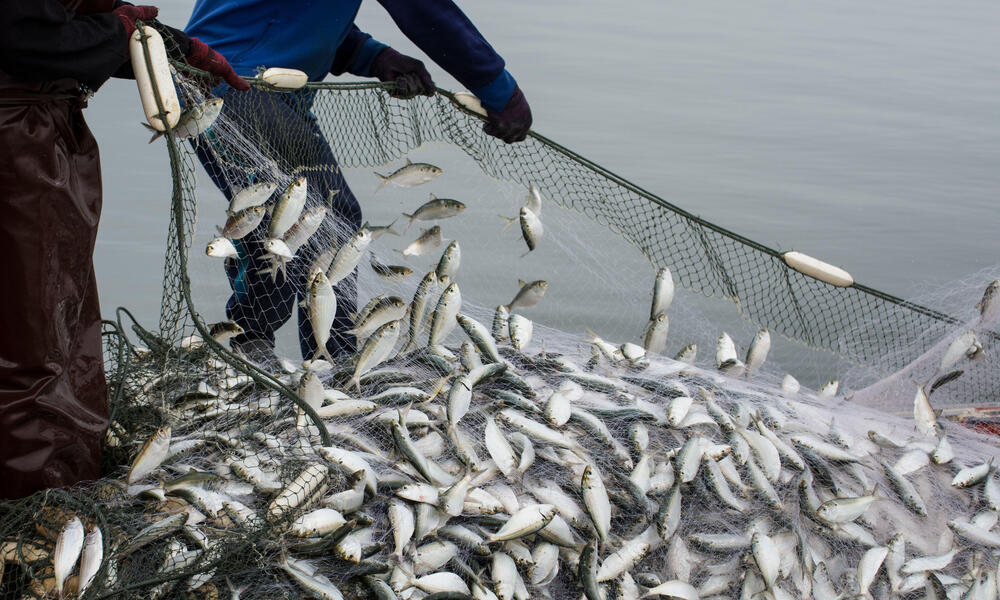
If you have good swimming skills, can ride a canoe or boat, and have the tactics for getting enough fish into the net, then you can consider being a commercial fisherman. Your job is to use different fishing techniques and tools such as nets, trawlers, and hooks to catch fishes that can be marketable. Fishes are of different types, so you must have an idea of the type of fish you are looking to market. Are you working with just one specie or multi-species? This will help you to decide and realign your fishing techniques and strategies.
Fish Processing Worker
Fishes are only edible for consumption after they have been neatly processed and packaged. This is what a fish processing worker does and this procedure involves filleting the fish, removing the scales, sorting and grading, operating processing machines, and packaging the products. Depending on the type of fish, the processing varies and this is because fish have different features and characters. While you may have to gut some fishes (i.e. remove the internal organs), you may not have to do that to very small fishes that barely have internal organs. Also, smoking may preserve some fish better, and on the flip side, canning may be the best bet for others.
Aquaculturist
Aquaculturists are experts who understand and can explain the growth, development, and production of aquatic animals which include fish. Their responsibilities include monitoring the water level and quality, feeding, equipment maintenance, quality of life, and breeding activities of fish. They get involved in fish breeding programs that require them to monitor and manage reproductive activities to support the successful production of offspring. Reproductive activities can also mean that an aquaculturist has to manipulate environmental conditions to suit the animal, monitor spawning behavior, collect and fertilize eggs, and oversee general rearing.
Seafood Quality Inspector
Regardless of how neatly a fish may have been processed, a double check has to be done to confirm that the fish are safe for consumption. This is where the quality inspector comes in; they are responsible for conducting inspections, monitoring processing facilities, and enforcing regulations to maintain the standard of the products and most importantly, protect consumer health.
Fish Farm Manager
A fish farm manager oversees all operations happening on the farm, from planning to organizing and coordinating. The manager monitors the water quality parameters, feeding schedules, stocking levels, and disease prevention measures. It is the job of the manager to work alongside other workers on the farm to ensure the smooth running of every operation and activity carried out on the farm. Also, based on demand, the capacity of the fish farm, and the available resources, managers create a realistic production plan that can run through a certain period - could be weekly, bi-weekly, monthly, or yearly.
Fish Marketer
Fish marketers connect the producers with the consumers, retailers, and other marketing channels. The job of the marketer is to convince consumers to purchase the fish by developing product labels, packaging designs, and marketing materials that will communicate the quality of the fish. Also, they collaborate with distributors, restaurants, and eateries that may need the product to meet their customer's needs.
Fish Distributor
If you can efficiently source good fish, handle and distribute the products, you may want to consider being a distributor. However, this will require you to be able to establish relationships with suppliers, negotiate prices and ensure a consistent supply of quality products. Also, you may need to manage storage facilities that would keep the fish in proper condition until they are sold off.
How to Start Fish Farming Business.
Starting a fish farming business in Nigeria can be a lucrative venture due to the high demand for fish as a source of protein. Here are some tips on how to make money in the fish business:
Choose the Right Species
Focus on popular fish species like tilapia and catfish, which are in high demand.
Understand Your Market
Know who your buyers are and what they prefer. This will help you target your sales effectively.
Quality Inputs
Invest in high-quality fish feed, seeds, and equipment to ensure healthy fish growth and maximize survival rates.
Efficient Management
Good management practices are crucial. This includes proper feeding, cleaning, and monitoring of fish health.
Record Keeping
Maintain accurate records of production, sales, and expenses to track profitability and plan for growth.
Cost Control
Keep your operational costs low without compromising on the quality of inputs or fish care.
Marketing Strategy
Develop a solid marketing plan to reach potential customers and create demand for your fish.
Value Addition
Consider processing your fish into smoked or dried products to increase their value and shelf life.
Expand Gradually
Start small and scale up your operations as you gain experience and capital.
Stay Informed
Keep up with industry trends and best practices to continuously improve your business.
By following these steps and focusing on efficiency and quality, you can build a profitable fish farming business in Nigeria. Remember, the key to success is understanding the market and managing your resources well.
How to Make Money in Fish Farming Business.
Fish farming can be a profitable venture when done correctly. Here are some steps to help you make money in fish farming:
Market Analysis
Understand the demand for different fish species and identify your target market.
Business Plan
Draft a detailed business plan outlining your objectives, strategies, and financial projections.
Quality Stock
Start with high-quality fish seeds from reliable suppliers to ensure healthy growth and high survival rates.
Efficient Management
Implement efficient management practices, including proper feeding, regular pond maintenance, and health monitoring of the fish.
Cost Control
Manage your costs effectively by optimizing feed conversion ratios and reducing waste.
Value Addition
Process your fish into value-added products like smoked or dried fish to increase profitability.
Direct Sales
Consider selling directly to consumers or local markets to maximize your profit margins.
Expand Gradually
Scale your operations as you gain experience and capital, and explore new growth markets.
Stay Informed
Keep up with the latest trends and best practices in aquaculture to improve your operations.
Insurance and Licenses
Ensure you have the necessary permits and insurance to protect your business and operate legally.
By focusing on these key areas, you can establish a successful and profitable fish farming business. Remember, like any business, it requires dedication, proper planning, and a willingness to learn and adapt.
Essential Fishing Tools that you need for fishing
Having the right tools can make all the difference between a successful fishing outing and a frustrating one. From rods and reels to lures and lines, each piece of equipment plays a crucial role in your fishing experience. Here are the essential fishing tools that you need for fishing.
Fishing Rods
Arguably the most fundamental tool in any angler's kit, the fishing rod comes in various types and configurations, each suited to different fishing styles and environments. Spinning rods, baitcasting rods, fly rods, and surf rods are just a few examples. When choosing a fishing rod, consider factors such as length, action, and material to ensure it meets your specific needs and preferences.
Fishing Reels
A reliable fishing reel is essential for smoothly casting and retrieving your line. Like fishing rods, reels come in different styles, including spinning reels, baitcasting reels, and fly reels. Each type has its advantages and is designed for specific fishing techniques. Pay attention to features such as gear ratio, spool capacity, and drag system when selecting a reel for your setup.
Fishing Line
The fishing line is the link between you and the fish, so choosing the right one is crucial. Monofilament, fluorocarbon, and braided lines are the most common options, each offering unique properties suited to different fishing scenarios. Consider factors such as strength, stretch, and visibility when selecting a fishing line for your rig.
Hooks
Hooks come in a variety of sizes, shapes, and styles, each designed for specific types of bait and fishing techniques. Whether you're fishing with live bait or artificial lures, having the right hook can significantly impact your success rate. Make sure to stock up on a range of hook sizes to accommodate different fish species and fishing conditions.
Bait and Lures
Whether you prefer live bait or artificial lures, having a selection of bait options is essential for enticing fish to bite. Worms, minnows, and shrimp are popular choices for live bait fishing, while artificial lures come in a variety of styles, including crankbaits, spoons, and soft plastics. Experiment with different baits and lures to see what works best in your local waters.
Fishing Accessories
In addition to the basic fishing tools mentioned above, several accessories can enhance your fishing experience. These include tools such as pliers, scissors, and line cutters for rigging and maintenance, as well as tackle boxes and storage bags for organizing your gear. A fishing net is also essential for safely landing and releasing fish without causing harm.
If you find this content helpful, sign up on our website to have full access to all career advice & news, job openings, and salary categories. Also, you may want to follow us on social media:
Facebook: Hub for Jobs
Twitter: @hubforjobs
Instagram: @hubforjobs
Popular Careers in the Fashion Industry
Simple Ways To Organize Your Job Search
Recent Post
-
-
 WorkFlowsHR: the best HR software in Nigeria July 25, 2024
 -
-