How can organizations drive gender equity?
-
March 09, 2023
-
0 Comments
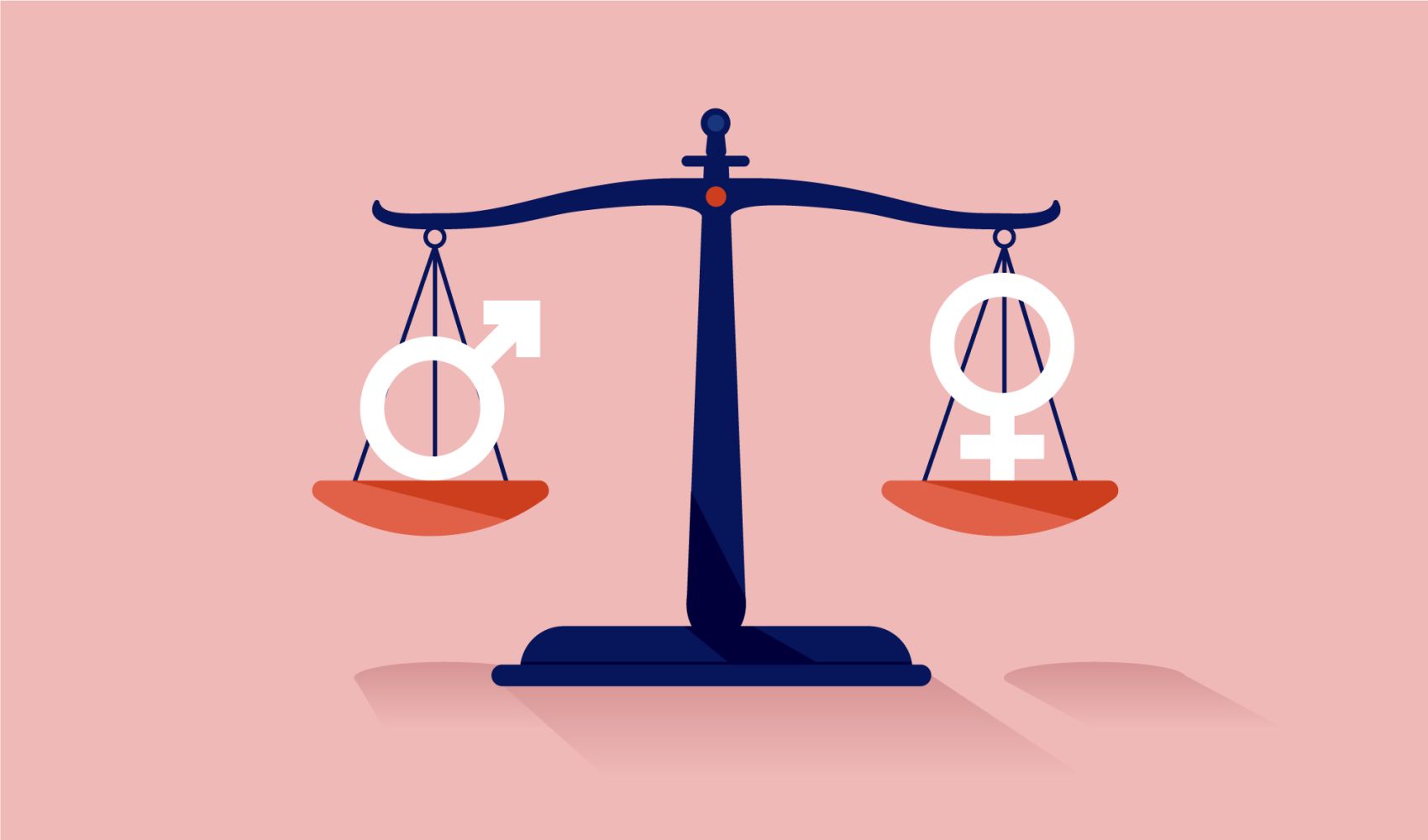
Yesterday, March 8th, marked International Women's Day, a day to celebrate the social, economic, cultural, and political achievements of women around the world. The theme for this year's celebration was "Embrace Equity," which highlights the importance of gender equity and the need to create a more equal world for all. Despite many women breaking barriers and making strides in their respective fields, the journey towards equity is still far from over.
While women have historically faced more barriers to achieving gender equity, promoting gender equity also involves addressing how men may be disadvantaged or marginalized due to gender norms and stereotypes. In a bid to enforce equity, organizations have a significant role to play in creating a gender-equity-driven workplace, and here are a few ways they can explore to pull this feat:
Establish free and transparent recruitment practices
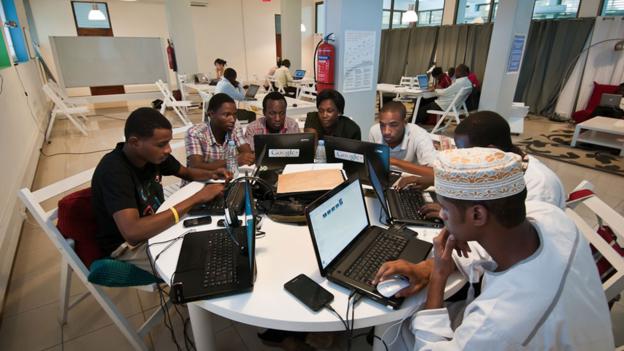
Some individuals are usually more favored in recruitment processes, which can create unfair competition for others. These biases can be conscious or unconscious. Studies have shown that women and minorities are often discriminated against in recruitment and hiring processes, even when they possess the same qualifications as their male or non-minority counterparts. Also, some job adverts carry content such as "Male preferred" or "Female preferred" which is most likely to put off people who are not in the preferred category. Job descriptions should be written in gender-neutral languages and companies should have diverse hiring panels to ensure that unconscious biases are avoided.
Read also >>> Why more women are choosing to work remotely
Promote gender diversity in Leadership
Surveys have revealed that having more women in leadership positions leads to better decision-making and financial performance, and Ngozi-Okonjo Iwela, Director General of the World Trade Organization is proof. Organizations can establish gender-diverse leadership programs that include both men and women as these teams are usually more innovative, creative, and productive. Also, employers should identify and groom high-potential women by implementing policies and practices that can result in recruitment, promotion, and retention.
Ensure equal pay
Equal pay for equal work is a fundamental element of gender equity. This gap exists in many countries including Nigeria and across various industries, with women often earning less than men for performing the same work or work of equal value. Companies should ensure that men and women are compensated fairly for their contributions. When organizations provide equal pay for equal work, they are acknowledging the value of all employees, regardless of their gender.
Offer family-friendly policies
Family-friendly policies recognize that employees have responsibilities outside of work, such as caregiving, that can impact their ability to fully participate in the workforce. These policies which include flexible work arrangements, sick leave, and paid parental care can help to create a more impartial workplace that supports the needs of all employees.
Foster an Inclusive workplace culture
Organizations need to create a workplace culture that values and respects the contribution of all employees. This includes implementing a zero-tolerance policy for discrimination, harassment, and bias, providing mentorship and networking opportunities for both men and women, and celebrating the achievements of all employees irrespective of what their gender says.
Conduct gender audits
Organizations can conduct gender audits to identify areas where gender inequality may exist within the workplace; this is a decision that requires maximum intentionality and conscious effort. This can involve reviewing policies, procedures, and practices to know any potential barriers to gender equity and developing strategies to address them.
Providing menstrual products for female employees
The menstrual period is a biological process, yet women still get embarrassed and discomfort at the thought of it especially when they are in a work environment. Providing free menstrual products can help to reduce the stigma around menstruation and demonstrate that organizations value and support their female employees' well-being. Furthermore, this can help to reduce the burden on employees who may otherwise have to pay out of their pocket for menstrual products. While this action may be small, it is an impactful way to create a more equitable workplace.
Organizations that prioritize gender equity benefit from increased employee satisfaction, productivity, and retention. In contrast, those that fail to address gender disparities may risk reputational damage, legal issues, and lost talent. Therefore, companies must take proactive steps towards driving gender equity. By doing so, they not only create a fair and undivided workplace but also contribute to building a more equitable society.
Content marketing Vs. Digital Marketing
2024 Digital marketing trends marketers need to know
Recent Post
-
-
 WorkFlowsHR: the best HR software in Nigeria July 25, 2024
 -
-