New to the corporate world? Get familiar with the grade levels that exist within the system
-
February 15, 2024
-
0 Comments
Entering the corporate world can feel like stepping into a maze of unfamiliar terms, hierarchies, and structures. One aspect that often confuses newcomers is the system of grade levels within organizations. Understanding these grade levels is crucial for career advancement and navigating the corporate landscape effectively. Here are the basics of corporate grade levels to help new professionals grasp this essential aspect of corporate culture.
What are Corporate Grade Levels
Corporate grade levels, also known as job levels or bands, are a way for organizations to categorize and organize their employees based on their roles, responsibilities, and seniority within the company. These grade levels typically encompass a range of positions and titles and serve as a framework for career progression and compensation structures.
Common Grade-Level Structures
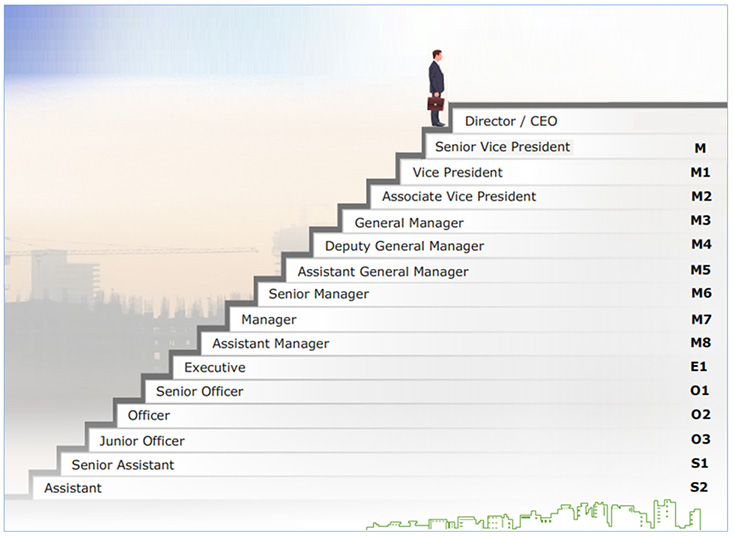
While grade-level structures can vary from one organization to another, many companies adopt similar frameworks. Here's a common breakdown of corporate grade levels:
Entry-level or Junior Positions
These are typically the starting roles within the organization, often filled by recent graduates or individuals with minimal experience in the industry. Entry-level positions may include titles such as Associate, Analyst, or Coordinator.
Mid-Level Positions
Mid-level positions represent a step up from entry-level roles and usually require a few years of experience within the company or industry. Titles at this level may include Manager, Specialist, or Consultant.
Senior-Level Positions
Senior-level positions are characterized by greater responsibility, leadership, and expertise. Professionals at this level often have several years of experience in their field and may hold titles such as Senior Manager, Director, or Principal.
Executive-Level Positions
At the top of the corporate hierarchy are executive-level positions, which encompass roles such as Vice President, Executive Director, and Chief Officer titles (e.g., Chief Executive Officer, Chief Financial Officer). Executives are responsible for setting strategic direction, making key decisions, and overseeing the overall operations of the organization.
Advancement and Promotion
Advancement within the corporate grade levels typically involves a combination of factors, including performance evaluations, skill development, and demonstrated leadership capabilities. Employees may progress to higher grade levels through promotions, which often come with increased responsibilities, authority, and compensation.
Understanding Grade Levels in Practice
In many organizations, grade levels are associated with specific salary bands or ranges, which serve as guidelines for determining compensation. Employees may negotiate their starting salary based on their qualifications and the grade level of the position they're entering. Additionally, performance reviews and annual evaluations may influence salary adjustments and potential promotions within the grade level structure.
Importance of Understanding Grade Levels
Understanding corporate grade levels is essential for several reasons:
Career Planning
Knowing the grade level structure can help employees set realistic career goals and understand the steps needed to advance within the organization.
Salary Negotiation
Familiarity with grade levels enables job seekers to negotiate fair compensation based on industry standards and the level of the position they're applying for.
Professional Development
Employees can tailor their skill development efforts to align with the requirements of higher-grade level positions, positioning themselves for future advancement opportunities.
Navigating the corporate world can be daunting for newcomers, but understanding the grade level structure is a critical step toward success. By familiarizing themselves with the different levels and associated expectations, individuals can strategically plan their careers, negotiate effectively, and position themselves for advancement within the organization. With this knowledge in hand, new professionals can confidently embark on their corporate journey and strive for continued growth and success.
If you find this content helpful, sign up on our website to have full access to all career advice & news, job openings, and salary categories. Also, you may want to follow us on social media:
Facebook: Hub for Jobs
Twitter: @hubforjobs
Instagram: @hubforjobs
8 Most Recent AI Tools That Will Boost Your Productivity in 2024
If You Feel Rusty as a Creative, You Should Check Out These Pointers to Rebrand
Recent Post
-
-
 WorkFlowsHR: the best HR software in Nigeria July 25, 2024
 -
-