Phlebotomy Jobs: How can you get this type of job in Lagos?
-
March 14, 2023
-
0 Comments
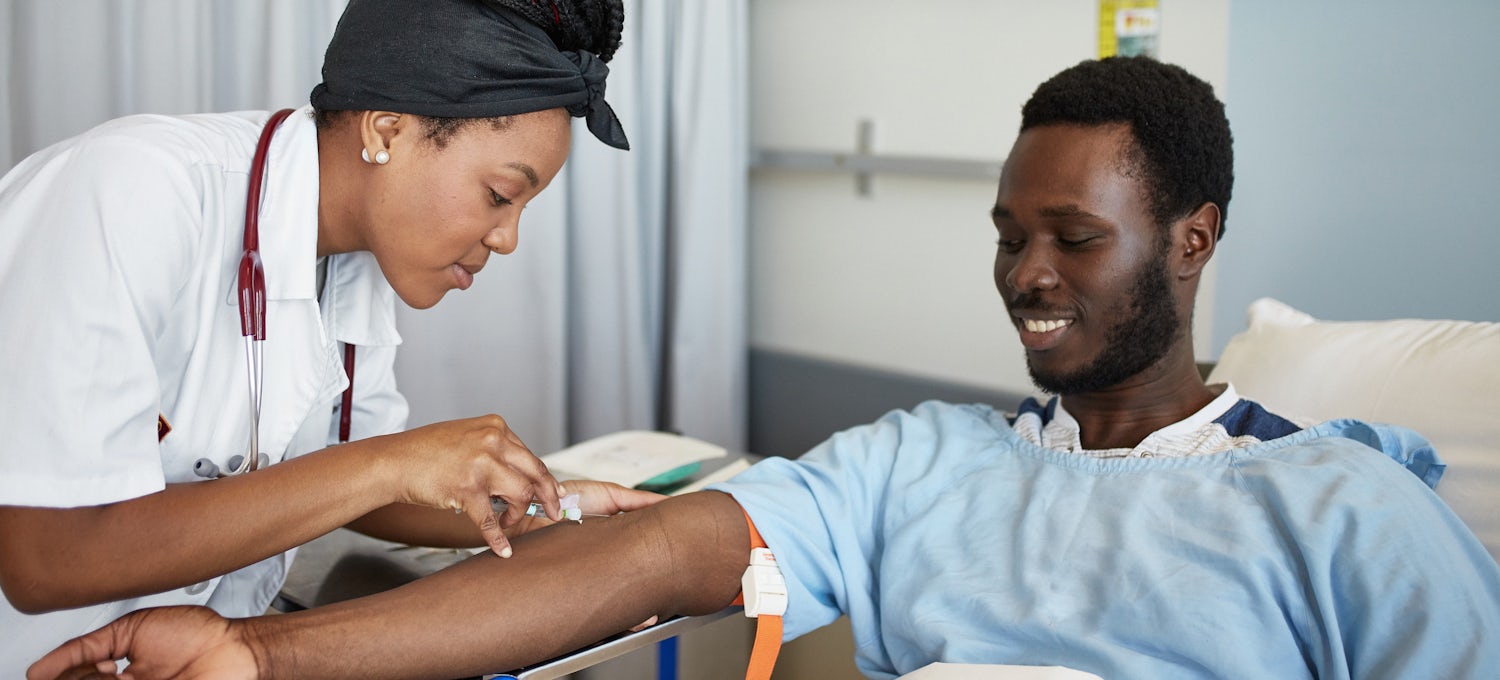
Phlebotomy is the practice of drawing blood from patients for laboratory analysis or medical treatment. Phlebotomists are medical personnel who specialize in this task, and they play a critical role in the healthcare system. Their work includes obtaining blood samples from patients, correctly identifying and labeling the samples, and ensuring they are handled properly for testing in the laboratory. According to WHO (World Health Organization), Nigeria needs an average of 1.8 million pints of blood every year, this makes Phlebotomists important members of the healthcare team because their work directly impacts patient care.
Responsibilities of a Phlebotomist
Collecting blood samples from patients:
A phlebotomist draws blood from patients using various techniques, such as venipuncture, capillary puncture, and sometimes arterial puncture. They must be sure that the samples are appropriately labeled and stored, and that they follow all safety policies and infection control measures.
- Communicating with patients to explain procedures, answer questions, and alleviate fears:
Several people are scared of needles, therefore, Phlebotomists need to be skilled in communicating with patients to help them feel comfortable and at ease during the blood collection process. They must explain the procedure, answer any questions the patient may have, and provide any necessary instructions for aftercare.
- Recording patient information and test results accurately and confidentially:
The job of a Phlebotomist involves accurately documenting and maintaining patient records, including medical histories, test results, and other relevant information. Also, they must ensure that all laboratory specimens are properly tagged and tracked.
- Calibrating and maintaining equipment used for blood collection and testing:
Phlebotomists must be proficient in using and maintaining a variety of medical equipment, such as needles, syringes, and blood collection tubes. All equipment must also be maintained and sterilized when due.
- Following safety protocols:
Phlebotomists need to adhere to strict quality control standards and safety protocols that can protect both the patient and the medical personnel from exposure to bloodborne pathogens. This will also help to ensure the accuracy and reliability of the laboratory test results.
Transporting blood specimens to the laboratory promptly to avoid mixups:
When blood is drawn from a patient, the sample needs to be handled carefully and transported to the laboratory on time to avoid mix-ups, contamination, or deterioration. This is very essential when dealing with time-sensitive tests or specimens that require special handling or processing. While Phlebotomists often work long hours and may be responsible for collecting and processing many samples in a single day; they must be organized and efficient in their work to ensure that each specimen is sent off quickly.
Rectifying issues that arise during blood collection or processing:
Some of the common issues that can occur during blood collection include difficulty finding a vein, patient discomfort or anxiety, or unexpected bleeding or bruising. To address these issues, phlebotomists must be skilled in communicating with patients, understanding the anatomy of veins, and using various techniques to minimize pain and discomfort
How does the role work?
When a patient comes in for blood testing, the phlebotomist will first verify their identity and collect information on any relevant medical history or medications. Next, the phlebotomist cleans the skin using an antiseptic and chooses the appropriate location for blood collection, which could involve selecting a vein for venipuncture or a finger or heel for capillary puncture. Once the blood has been collected, the phlebotomist labels the specimen tube with the patient's information and any relevant testing instructions. Then, they go ahead to properly store the tube to ensure that it does not get contaminated.
The type of blood testing that is performed on a specimen depends on the precise needs of the patient. Some common types of blood tests that phlebotomists collect samples for include:
Complete Blood Count (CBC)
This test measures the different types of blood cells in the body - red blood cells, white blood cells, and platelets and can help diagnose conditions such as anemia, infections, or blood cancers. Usually, the measurement of CBC consists of the following:
Red blood cell count
White blood cell count
Platelet
Haemoglobin (HB)
Hematocrit (HCT)
Mean corpuscular volume (MCV)
Blood Chemistry Panel
This sample is taken to measure various chemicals and enzymes in the blood, such as glucose, cholesterol, and electrolytes. It can also help to detect health conditions such as diabetes or kidney disease. With the blood chemistry panel, you can test for any or all of the following:
Glucose
Electrolytes
Kidney function test
Liver function test
Total protein and albumin
Calcium and phosphorus
Coagulation Tests
Coagulation tests measure the ability of the blood to clot. These tests are important for diagnosing and monitoring bleeding disorders, such as hemophilia, or for monitoring patients on blood-thinning medications, such as warfarin. A healthcare provider orders coagulation tests if a patient is experiencing symptoms such as abnormal bleeding or bruising, or if they are at risk for developing a blood clot. Common coagulation tests include:
Fibrinogen test
Thrombin Time
Prothrombin Time
Activated Partial Thromboplastin Time
D-Dimer test
Skills needed for Phlebotomy
Blood tests are essential in diagnosing and monitoring diseases, and these professionals confirm that accurate samples are collected for analysis. However, to achieve these goals, a phlebotomist must possess the following skills:
Ability to correctly perform venipuncture (insertion of a needle into a vein to draw blood)
Ability to properly perform capillary puncture ( using a lancet to prick the skin and collect a small sample of blood from the capillaries near the surface).
NB: A lancet is a small single-use, sharp tool that is used to puncture the skin and obtain a small sample of blood for testing.
Hand-eye coordination
Patience and empathy
Great communication skills
Organizational skills
Accuracy/Precision
Attention to safety and detail
Also, a degree in Phlebotomy or Medical Laboratory Science is necessary.
Where can I study Phlebotomy?
If you're interested in studying phlebotomy, there are several paths you can take. While phlebotomy may not be offered as a standalone course at many Nigerian universities, a degree in medical laboratory science (MLS) can provide a solid foundation for a career in phlebotomy. MLS is a 5-year course that focuses on laboratory testing and analysis of various body fluids, including blood and Urine.
Phlebotomy is a specific aspect of medical laboratory science but the knowledge and skills you will gain in an MLS program will apply to phlebotomy and other areas of laboratory work. So, here are some Nigerian Institutions that offer MLS as a course:
Achievers University - (offers Phlebotomy as a course) but the subsequent list of universities offer MLS
University of Nigeria, Nsukka
University of Ibadan
University of Benin
University of Jos
University of Lagos
Madonna University
Babcock University
Lead City University
University of Calabar
Nnamdi Azikiwe University
University of Medical Sciences, Ondo
University of Maiduguri
IMO State University
Ladoke Akintola University
Bowen University
Bayero University
Ambrose Ali University
Adeleke University
Afe Babalola University
AL-Hikmah University
Benson Idahosa University
Federal University, Lafia
Federal University, Oye-Ekiti
Rhema University
You may also be able to take additional online courses or workshops particularly focused on phlebotomy techniques to further hone your skills. Many medical laboratory science programs also offer clinical rotations or internships where you can gain hands-on experience in blood collection and other laboratory procedures.
How can I get a Phlebotomy Job?
Most phlebotomy jobs require certification and you can be certified by completing a phlebotomy online training program and passing a certification exam. Also, you may need to gain experience by volunteering at blood drives, clinics, or hospitals. While you do all of these, it is important to update your resume and highlight all of your achievements from having a certification to doing volunteer jobs. Then, you can get on Hubforjobs.com to search and apply for the phlebotomy jobs available.
How much does a Phlebotomist earn?
As seen on Salaryexplorer, a phlebotomist in Nigeria earns about N 207, 000 monthly. However, the salary can range between N 106,000 to N 319,000. Also, the payment can vary based on years of experience as listed below:
0 - 2 years: NGN118,000
2 - 5 years: NGN155,000
5 - 10 years: NGN 217,000
10 - 15 years: NGN 260,000
15 - 20 years: NGN 283,000
20 years +: NGN 305,000
Phlebotomists in Nigeria can expect their salaries to increase by around 9% every 19 months.
While the job of a phlebotomist may not be as high-profile as that of a doctor or nurse, their work is no less important. They are the hidden champions of the healthcare system, usually working behind the scenes to ensure that patients receive the optimum care and treatment they need to live healthy, fulfilling lives. So if you have a passion for helping others and a desire to work in a vibrant atmosphere, take a chance on Phlebotomy today.
How to apply for medical assistant jobs anywhere near you in Nigeria
What companies are in the consumer services field?
Recent Post
-
-
 WorkFlowsHR: the best HR software in Nigeria July 25, 2024
 -
-