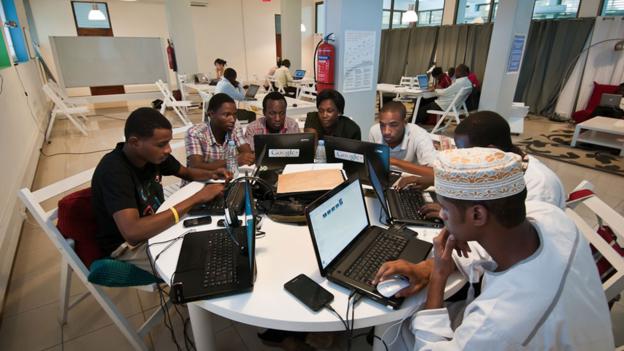
These are the skills you need to become a member of Taskforce in Nigeria
-
February 08, 2024
-
0 Comments
In Nigeria, the task force is a temporary group of people or organizations that work together to achieve a specific goal or solve a problem. In Nigeria, there are different types of task forces, depending on the purpose and scope of their activities. The purpose of creating task forces is to address a complex, major issue in a short period, by bringing together a group of stakeholders with diverse skills, expertise, and perspectives. Taskforces can provide unified recommendations to those who have the power to enact change and can also help solve problems that require urgent and coordinated action. Taskforces are different from committees, which are more permanent and less focused on a specific problem.
There are different types of task forces in Nigeria, depending on the purpose and scope of their activities. One of them is the ;
Presidential Task Force on COVID-19, which was established by President Muhammadu Buhari on March 9, 2020, to coordinate and oversee Nigeria’s multi-sectoral inter-governmental efforts to contain the spread and mitigate the impact of the coronavirus pandemic. The task force is chaired by the Secretary to the Government of the Federation, Boss Mustapha, and comprises members from various ministries, agencies, and sectors.
Another task force is the Economic and Financial Crimes Commission (EFCC), which has recently raised a 7,000-man special task force across its 14 zonal commands to clamp down on dollar racketeers and enforce laws against dollarization of the economy and currency mutilation. The task force is led by the EFCC Chairman, Abdulrasheed Bawa, and aims to reduce the pressure on the naira and protect the integrity of the national currency.
A third task force is the Financial Action Task Force (FATF), which is an inter-governmental body that sets standards and promotes effective implementation of legal, regulatory, and operational measures for combating money laundering, terrorist financing, and other related threats to the integrity of the international financial system. Nigeria is a member of the FATF and has been subject to increased monitoring by the FATF since February 2023, due to its strategic deficiencies in its anti-money laundering and counter-terrorist financing regime. Nigeria has made progress in addressing some of the technical compliance deficiencies identified in its 2021 mutual evaluation report but still needs to demonstrate higher levels of effectiveness in its AML/CFT system.
These are the skills you need to become a member of Taskforce in Nigeria
Becoming a member of a task force in Nigeria, or anywhere else, often requires a combination of skills and attributes that enable an individual to contribute effectively to the team’s objectives. The following are some skills that are usually required:
Domain Knowledge
Understanding of the specific area or issue the task force is dealing with, such as security, health, education, or finance.
Analytical Skills
The ability to assess problems, analyze data, and develop strategies.
Interpersonal Skills
The ability to work well within a team, manage conflicts, and build partnerships with other organizations or members of the community.
Adaptability
Task forces often work in rapidly changing environments, and members need to be able to adapt to new situations and challenges.
Integrity
High ethical standards and integrity are essential, as task force members are often entrusted with sensitive information and responsibilities.
Cultural Competence
Understanding and respecting the diverse cultural backgrounds and practices in Nigeria.
Technical Skills
Depending on the nature of the task force, certain technical skills may be required, such as IT expertise, financial analysis, or legal knowledge.
Additionally, specific task forces may have other requirements in terms of education, experience, physical fitness, or other specialized skills required:
- Military training and experience in counter-terrorism operations
- Knowledge of the Lake Chad Basin region and its security challenges
- Ability to work with people of diverse cultural and language backgrounds
- Proficiency in English and French, as well as local languages such as Hausa, Kanuri, and so on
If you find this content helpful, sign up on our website to have full access to all career advice & news, job openings, and salary categories. Also, you may want to follow us on social media:
Facebook: Hub for Jobs
Twitter: @hubforjobs
Instagram: @hubforjobs
What you must know about being a "Product Supplier" in Lagos
If your company gives you HMO benefits, this is what you should know.
Recent Post
-
-
 WorkFlowsHR: the best HR software in Nigeria July 25, 2024
 -
-