TV Station Jobs: Jobs You Can Apply For At A TV Station
-
June 07, 2023
-
0 Comments
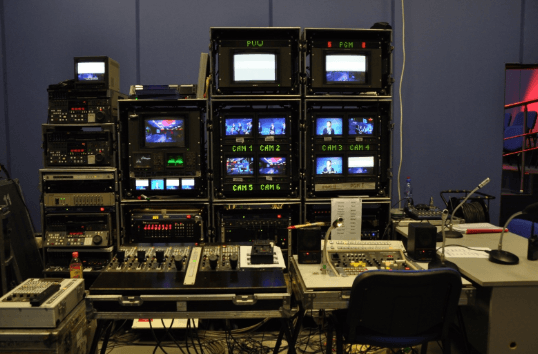
So many young people fancy the opportunity to work in a TV station. The TV industry provides a fantastic opportunity for people who are interested in entertainment careers. Whether you wish to work behind the scenes or in front of the camera, we have curated a list of jobs you can apply for at a TV station.
Jobs You Can Apply For At A TV Station
Below are some jobs you can consider if you intend to work at a TV station. Read through and start applying for the ones you are most suitably qualified for.
Production Assistant
As a production assistant, you will be required to assist with all the elements of production. Your responsibilities in this role include clerical tasks like making copies or scripts, transporting personnel and equipment, and managing the production budget. Employers may require a bachelor's degree in a related field or prior experience working on a set or in a studio office.
CLICK HERE to apply for production assistant jobs.
Writer
As a writer for TV, you will often work on writing scripts for shows, news segments, and content for TV hosts or presenters to read. TV writers work in groups to develop plots and dialogue, establish a show's voice, and edit screenplays or news headlines. A degree in English, communications, or a related discipline can boost a candidate's job prospects when writing for television.
Producer
TV producers supervise many aspects of a TV program's creation and growth. Producers are in charge of coming up with brilliant concepts for a TV show, hiring writers, and production crew, and overseeing the production budget. They are in charge of the show's inception and continuation. Producers typically have a bachelor's degree and in some cases a master's degree, in a field related to film and television production.
CLICK HERE to apply for TV producer jobs.
News Reporter
As a news reporter for a TV station, you will be required to gather information on newsworthy topics and report on it clearly and simply. A reporter's duties include researching articles, creating screenplays, and providing breaking news on the scene. You must also double-check every report for accuracy and aim to get your content out ahead of other news outlets. Most reporters have a degree in journalism or communications, but they also learn on the job and through internships.
CLICK HERE to apply for new reporter jobs.
Camera Operator
A camera operator handles cameras around a television studio to film programs and newscasts. They test the cameras before filming to ensure they are in good working order. Camera operators frame a scene, take instructions from directors, and interact with other operators and engineers to provide the optimum viewing experience for viewers. A degree in television production is not essential, although it can help candidates stand out.
Video Editor
A video editor edits film clips using video and audio to create a polished final product. They might edit out a section of a video when an actor says the wrong line, or they might change the audio to better fit the project's tone. To deliver TV shows to audiences, video editors must adhere to scripts and employ editing software. This position usually necessitates prior knowledge of editing software. Many video editors have bachelor's degrees in communication or television production as well.
CLICK HERE to apply for Video editor jobs.
Sound Engineer
Sound engineers are in charge of the audio aspects of filming a production. They use sound equipment such as microphones to tune the audio so that it sounds good to viewers and fits the film. They may assist in the mixing or enhancement of audio in post-production to ensure that it suits the tone and style of the broadcast. Individuals in this position often have an associate degree in audio production or a similar field.
Lightning Technician
A lighting technician collaborates with a lighting crew to provide correct lighting to a television set. Setting up and operating lighting, fixing equipment, and making modifications based on director feedback are all responsibilities. Lighting technicians must take steps to protect themselves and the rest of the studio team because lighting equipment is sometimes heavy and high up. Candidates should have lighting or electrical system experience, but no degree is required.
If you found this article informative and helpful, log on to Hubforjobs.com for more. Click here Hubforjobs
You can also connect with Hubforjobs on all our social media handles for more regular job updates.
Facebook: @Hubforjobsofficial
Instagram:@hubforjobs
Twitter: @hubforjobs
LinkedIn: @HubForJobs
Telegram: Hubforjobs
Benefits Of Self Employment
Are You Ready For A Career Change? Read This
Recent Post
-
-
 WorkFlowsHR: the best HR software in Nigeria July 25, 2024
 -
-