Types of emails you should never send as a Manager
-
May 15, 2023
-
0 Comments
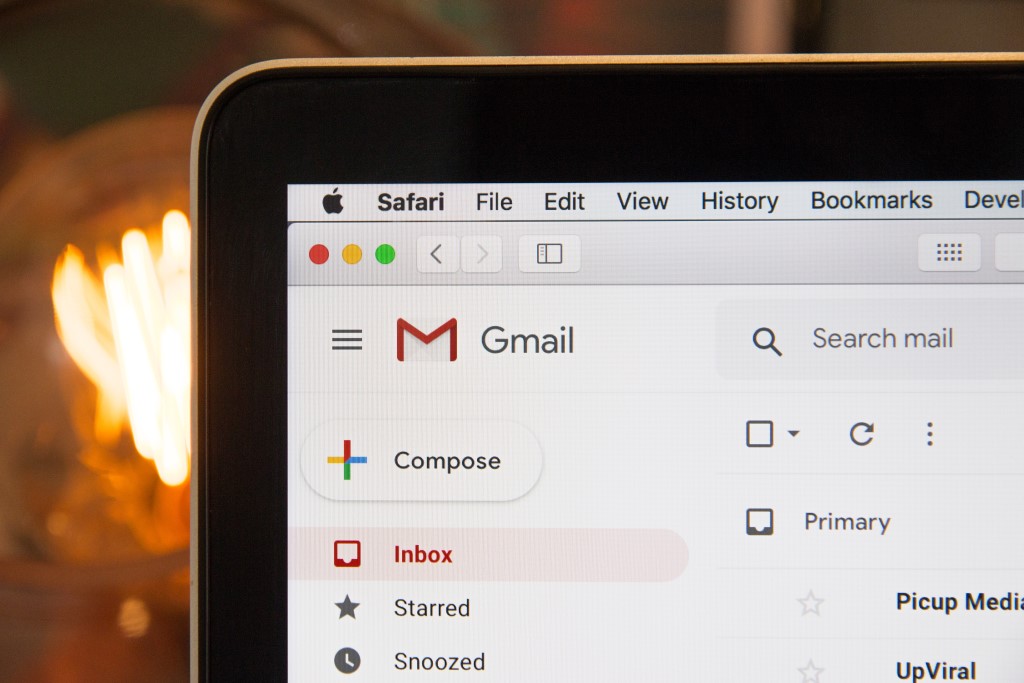
Email is a common and valuable tool used in the professional setting. It is quite easy to punch in a few or more words to share with colleagues at work and even external contacts. While most of the time, the aim is to pass on useful information and share files, or links, crankiness can also set in and you may find yourself sending bad emails, especially as a manager. Sending impulsive emails may be a result of a terrible incident or heated conversation and most of the time, you realize that you should not have sent the message only when the damage has been done. If you're looking to maintain a healthy work environment, keep your team together and achieve your desired goal as a manager, know that you should never send any of these emails:
Group emails for individual issues
Group emails work perfectly for sharing information that applies to every member of the team. However, when there are individual issues that need to be addressed, managers should refrain from sending group emails as sending such matters to the whole team can compromise the confidentiality and privacy of the individual involved. Also, the main recipient may not prioritize such emails and among other team members may even lead to unnecessary distractions.
Delivery Sensitive Feedback
You may think you are being professional when you flip your computer open and send a message to a worker about how badly they've worked a task. However, It is usually much better to walk up to the employee in person to deliver such feedback, and in a suitable environment. You can schedule a one-on-one meeting where you can talk to the worker about what you think is a problem. Direct communication ensures that you are not misconstrued, there is immediate clarification, and you can build a proper rapport that would encourage the worker to do the work better next time.
Provocative Emails
Sending provocative emails because you are angry at what a worker did is never an appropriate course of action. People take things differently and you never can tell what effect your email is having on the recipient. The recipient may start to see the work environment as a hostile and unsafe one for them; it also takes a toll on their productivity and they are unable to focus on doing other tasks. Furthermore, this reflects poorly on the sender as it reveals that you as a manager may not be emotionally intelligent and may potentially dent your reputation.
Urgent requests
If you need immediate action on a request, sending an email may not be the right thing to do. While it is possible that the recipient does not get your email in time, you must also consider the impact of the "urgency" on the individual, especially if they battle anxiety or are often overwhelmed by the demands on their time and space. Instead of sending an email, you can put a call through to them, explaining how much time they can take and how important the task is. This can help them wear off anxiety and plan accordingly to meet up with the deadline.
Delivering significant news and announcement
Employees would need to get detailed information and an explanation for any major shift or big changes taking place in the company. Sending an email may not deliver clarity, or allow for questions and answers. Therefore, instead of sending emails to communicate layoffs, promotions, or restructuring, managers should call for a company-wide meeting where all messages can be properly passed on and issues are suitably addressed.
Insensitive subject lines
Using subject lines that can throw a recipient off balance are never the best. These subjects can cause stress, anxiety, burnout, and confusion to the recipient. Messages that are sent via email should hold some form of empathy, or respect for emotions. Avoid using the following subject lines:
Warning!
You are Fired!
Quit the project!
It doesn't work that way!
You didn't meet up.
Use subject lines sparingly, and with caution. Consider your employees always, respect their mental and emotional well-being and even when the situation is difficult, use some kindness.
Essential Tips For Hiring Construction Workers
Sample CV Templates for Accountant Job Application
Recent Post
-
-
 WorkFlowsHR: the best HR software in Nigeria July 25, 2024
 -
-