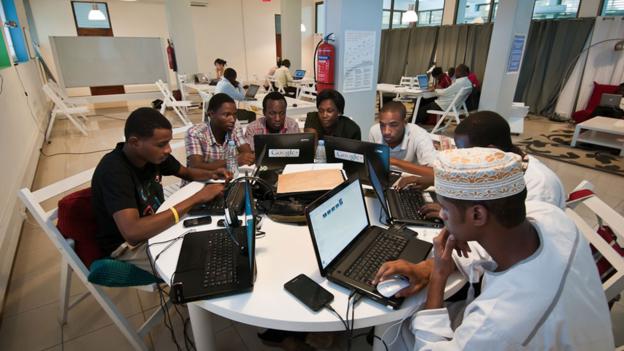
What is the Unemployment Rate in Nigeria?

-
December 29, 2022
-
0 Comments
When the COVID-19 pandemic happened in 2020, the unemployment rate in Nigeria reached 27.1%. The pandemic severely impacted the informal sector, leading to significant job losses and reduced income for many workers. The unemployment rate in Nigeria has fluctuated over time, with periods of relatively low followed by periods of high unemployment. In the 1960s, Nigeria experienced a significant economic downturn, leading to a spike in unemployment, reaching 14.7% even till the early 2000s.
According to Statista, the unemployment rate in Nigeria hit 33% this year, 2022. The unemployment rate has been steadily increasing in recent years, with a sharp increase since the Covid-19 pandemic. Unemployment disproportionately affects young people in Nigeria, with youth unemployment estimated to be as high as 54%. This has led to concerns about the potential for social unrest among young people without access to education or employment opportunities.
Causes of Unemployment in Nigeria
Several factors contribute to unemployment in Nigeria. Some of the main causes will be explained below:
Economic Downturns
In Nigeria, the economy relies heavily on oil exports, and fluctuations in global oil prices can significantly impact the country's economic performance. Economic downturns can also be caused by external factors such as financial crises, leading to reduced demand for Nigerian exports and reduced investment in the country. These factors can also contribute to job losses and rising unemployment. Addressing the negative impact of the economic decline on unemployment in Nigeria will require policies and interventions that will promote economic growth and stability.
Structural Issues within the Labour Market
Structural issues within the labor market can make it difficult for people to assess job opportunities. One key issue is the high degree of informality in the Nigerian labor market. This informality can also make it difficult for workers to evaluate credit and other financial services, limiting their ability to invest in their businesses or have something they can call their own.The labor market will need to make efforts to promote the initiative to support small and medium-sized enterprises.
Education and Skill Gap
Many young people in Nigeria struggle to find employment because of the lack of education in relevant skills. Lack of training or education can be a significant barrier to unemployment in Nigeria. Per UNESCO, Nigeria has the highest rate of out-of-school children worldwide, with about 20 million children not in school. These issues can limit young people's opportunities to acquire the skills and knowledge they need to enter the labor market. This is why young people should endeavor to take online courses that can upskill and present them fit for any role.
Government Policies
While government policies can sometimes create jobs, they can also eliminate jobs. These policies can also impact the overall business environment and the ability of firms to create jobs. For example, trade policies that favour imports over domestic production can lead to job losses in domestic industries, as firms may choose to source goods from abroad rather than produce them domestically. Similarly, policies discouraging private sector investment, such as high taxes or complex regulations, can reduce the number of job opportunities available by making it more difficult for firms to operate and expand.
Impact of the unemployment rate on Nigerians
The current unemployment rate has significant consequences for Nigeria's individuals, families and communities. Unemployment can lead to financial insecurity at the individual level as people struggle to find work and earn an income. This can also have a ripple effect on families and communities as people may have to reduce their spending on necessities such as food, healthcare and education. Furthermore, unemployment can have social and psychological impacts as people may feel isolated and experience a loss of purpose and self-esteem. The society is not left out of the blow; high levels of unemployment can cause political instability. People may feel frustrated with their lack of opportunities and feel they are being left behind. This can lead to protests and demonstrations, which can, in turn, spur further social disruption.
Actions/Way Forward
Partnerships between civil society organizations, the private sector, and the government can effectively address unemployment in Nigeria. These organizations combine different expertise and resources to tackle the issues from multiple angles. One example of a successful partnership between the private sector and civil society organizations in addressing unemployment in Nigeria is the Central Bank of Nigeria's Anchor borrower's program. The program provides access to finance for small and medium-sized enterprises (SMEs) in the agricultural sector. This program has helped to create thousands of jobs and stimulate economic growth in the agricultural industry, which employs a substantial share of the Nigerian labour force.
Conclusion
Unemployment is a persistent and complex issue in Nigeria. It will take so much effort to regulate the economic system. However, this situation should not deter the youth; they are encouraged to acquire the skills and knowledge needed to fit into the labour market. Young people can also take advantage of the available resources and may have to be entrepreneurial to find employment or create opportunities.
Is Finance A Good Career Path?
Is Technology A Good Career Path?
Recent Post
-
-
 WorkFlowsHR: the best HR software in Nigeria July 25, 2024
 -
-